
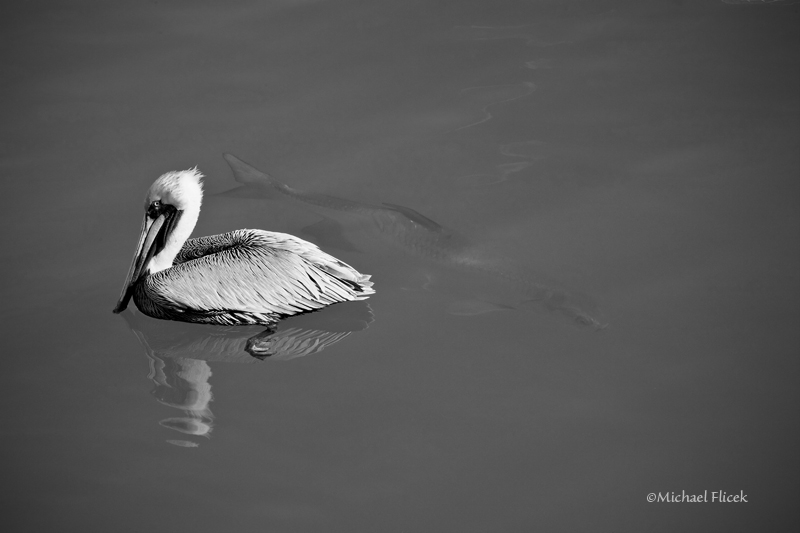
I’ve come to see my photography projects as short photography stories. They are analogous to short stories in literature except these stories are told in photographs. This evolving concept refers to projects that generally include about eight to twenty photographs with a common theme. Most of my short photography stories have been made while traveling. I rarely make photographs when I am not traveling. Often, making photographs is a principal purpose for my travels. The emotions associated with the freshness and ambiance of new and different experiences awakens a creative process for me.
My short photography stories tend to be thematically link together by larger themes. The photograph that accompanies this post is from a short photography story that is presently a work in progress. The story is currently in “draft” form in that it does not have a settled upon title yet, is without an artist statement and has photographs awaiting processing. Most photographs in this story will contain a pelican or pelicans floating on the surface of water with some presence of tarpon lurking, like apparitions, beneath the surface of water. The larger theme to which this story belongs is a an ongoing Nature Studies project. Other larger themes on which I have long term projects underway are Architecture Speaks and With People.
While this approach works well for me I continue to admire and respect to work of fellow photographers with works that are more analogous to novels than to short stories. The stark, minimalist landscapes of Chuck Kimmerle represents an example of these larger photography projects. Because Chuck photographs close to home his projects are created over years instead of days. Chuck’s impressive style of landscape photography was shaped by the subject matter that he had to work with while living on the flat and barren plains of North Dakota near the Canadian border.
Other photographers, like Olivier Borson, travel repeatedly to the same location over a span of several years to produce more novel-length photography projects. Olivier has traveled repeatedly to India and has amassed an impressive portfolio of environmental portraits of the people of India. There are so many places to visit and my time for travel has been limited so I tend to resist any temptation to return to a familiar place over and over again. The demands upon the creative process in each of these approaches to contemporary fine art photography projects differ in subtle and not so subtle ways. Where do your photography projects fall along this continuum from short photography stories to epic novel length projects? How does your approach to photography projects influence your creative process?
 flicekphotoblog